
Digital PR trends to leverage in 2026

digital pr trends

Digital PR has become one of the most powerful ways to boost organic visibility,  and in 2026, it matters more than ever. It’s no longer just about landing coverage, it’s about supporting the wider SEO strategy, building brand authority and creating the kind of stories that earn attention in an increasingly crowded and fast-changing landscape.

In just the last couple of years, AI has reshaped workflows, traditional media continues to contract, Google’s updates keep shifting the goalposts and content saturation means audiences are more selective than ever about what they give their attention to. 

At the same time, PR, SEO and content have become inseparable. The brands seeing the strongest results currently are the ones treating these disciplines as a single, integrated strategy. This is exactly why you need a digital PR and SEO strategy to ensure your channels work together rather than competing for attention.

With search behaviour evolving, media ecosystems shifting and AI accelerating everything, brands that invest in smart, strategic digital PR now will be the ones who grow their organic visibility, earn meaningful media coverage and build long‑term authority.

In this guide, we explore the digital PR trends shaping 2026, from AI‑enhanced planning and human‑centred storytelling to data‑led campaigns and smarter measurement, and how you can use these tools and principles to drive real impact this year and beyond.

Jump to:

Trend 1: AI‑enhanced PR campaign planning & ideation

AI isn’t new, but how we use it is changing fast.

AI has evolved from a mediocre writing shortcut into a strategic engine for planning and research. With 93% of PR professionals reporting faster project completion and 78% seeing higher quality results when using AI tools, it’s clear that AI isn’t replacing human creativity. It’s amplifying it.

Today, agencies are leveraging AI to:

  • Analyse journalist interests and identify coverage gaps
  • Predict trending topics before they peak
  • Generate data‑led campaign ideas
  • Test headlines, angles and messaging
  • Analyse datasets quickly to uncover stories

The teams seeing the biggest wins are the ones using AI to speed up research and insight gathering, then applying human judgement, creativity and experience to shape the final campaign.

Advice for brands: How to integrate AI responsibly

AI can be a huge advantage – but only if it’s used with intention. To avoid generic, copy‑and‑paste content and ensure your campaigns stay distinctive:

  • Start with human insight, not an AI prompt – Use AI to expand your thinking, not replace it.
  • Feed AI with your own data – Brand guidelines, tone of voice, past campaign results and audience insights help produce outputs that feel uniquely yours and need fewer edits.
  • Use AI for exploration, not execution – Let it suggest angles, trends and opportunities, then refine them manually.
  • Always add a human dimension – Journalists can spot AI‑generated content instantly. Human editing, storytelling and nuance are what make ideas land and form a connection with the audience.
  • Stress‑test ideas before you pitch – Use AI to test headlines or angles, but rely on human judgement and peer feedback to decide what’s genuinely newsworthy.
  • Stay transparent and ethical – Avoid inflating data, quotes or stories and always double check any data and sources that AI tools give you. AI should support truth, not distort it.

Used well, AI becomes a strategic advantage, helping teams move faster, think bigger and build campaigns that are more relevant, more targeted and more likely to land.

Trend 2:  Human-centred PR: Real stories about real people drive better results

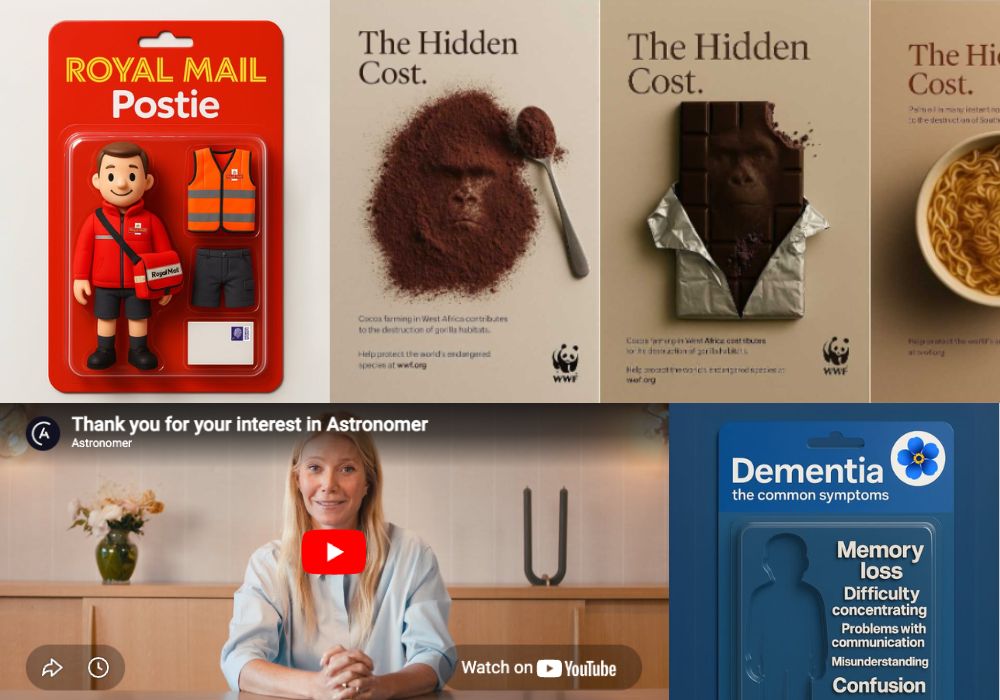
generic ai generated image of office workers

AI content is everywhere in PR and media. It’s fast, polished… and increasingly easy to ignore.

Audiences are tired of recycled ideas. Journalists are not excited by generic pitches. And brands are starting to realise that “perfect” content on paper might tick lots of formulaic boxes, but isn’t actually connecting with anyone.

That’s why human-centred PR is becoming one of the most powerful differentiators in 2026.

Why everyone’s craving real stories again

Audiences are becoming highly skilled at filtering out machine-generated content. Recent data from MarTech shows that 87% of consumers now believe they can spot when a brand uses AI in its marketing, leading to a surge in digital fatigue where people scroll more but connect less.

This shift has fueled a “Human-First” demand with a recent survey indicating that 93% of consumers want brands to focus on original, human-centric stories rather than just chasing trends. Journalists are feeling this too. 

Why this works for digital PR and SEO

Human stories don’t just feel better, they perform better.

Emotion-led content gets shared more, quoted more and linked to more. Journalists naturally gravitate towards it because it gives them something tangible to work with. From an SEO perspective, these stories also strengthen trust signals and reinforce E-E-A-T in a way generic AI content simply can’t.

How brands can build campaigns around real people

Start talking to the people who experience your brand first-hand.

  • Interview customers and staff
  • Use anonymised data combined with personal storytelling.
  • Collect testimonials and turn them into media-friendly narratives.
  • Tie stories to wider cultural or societal trends (cost of living, sustainability, mental health, work-life balance, etc.).

And above all, keep it real. Use real names where possible, share real numbers and outcomes and don’t over-polish or smooth off the edges. Imperfection makes stories believable, and believability is what makes them powerful.

Trend 3: Data-led storytelling becomes even more useful

Data has always played a role in PR, but in 2026 it’s becoming a serious competitive advantage.

Journalists don’t want recycled stats or AI-generated fluff. They want original insights and exclusive angles, and data delivers exactly that.

Why journalists are hungry for original data

The media landscape is saturated, so journalists are constantly looking for something genuinely new to cover. Original data provides fresh angles, credible insight and stories that can’t be found anywhere else. 

When you’re the source of the numbers, you instantly become more authoritative in your niche. And because exclusivity still matters, data-led stories naturally attract higher-authority coverage and links.

Where the best data actually comes from

Strong data stories don’t need massive budgets, they need access to information you already have: Customer behaviour trends, market surveys, FOI requests, internal analytics and industry observations can all form the foundation of compelling PR campaigns. 

The key is spotting something in the raw numbers that is genuinely meaningful: a pattern, a shift, a warning sign or a cultural insight, for example.

How to make data journalist-friendly

Data only works if it’s easy to understand. Journalists don’t want spreadsheets or jargon. They want a clear angles, simple takeaways and visuals that make the story obvious at a glance.

Strong headlines, clean charts and a simple narrative that explains why the numbers matter will always outperform a dense report that requires the journalist to spend lots of their time digging. That doesn’t mean that you don’t need the original data ready to show the accuracy and credibility of your story, but it needn’t be front and centre in your pitch.

Original insights naturally earn backlinks, brand mentions and citations. Over time, this builds topical authority and strengthens E-E-A-T signals. It’s one of the rare approaches that delivers both immediate coverage and lasting organic benefits.

Trend 4: Brand-led thought leadership will yield better results

For years, digital PR has obsessed over one metric: links. While links still matter, the focus has shifted. In 2026, it’s not just about getting links, it’s about earning the right links in the right context.

This shift comes down to authority.

Why authority matters more than ever

Google’s focus on E-E-A-T means expertise, real experience, authority and trust are no longer optional. Journalists are following the same pattern. They want credible voices, not generic commentary. Founders with opinions. Specialists with insight. Brands that can confidently explain what’s happening in their industry and why it matters.

Expert commentary, opinion-led content and founder profiles don’t just earn coverage, they build recognition and memorability. Over time, that visibility compounds, strengthening brand association, increasing branded search demand and supporting long-term organic growth. They help turn brands into trusted voices.

What strong thought leadership actually looks like

The best thought leadership isn’t vague or fluffy. It’s grounded in real expertise and tied to topics people care about.

Industry predictions, regulatory insight, sustainability commentary, market analysis and founder perspectives all give journalists something useful to work with. When brands show up consistently with smart, timely opinions, they stop being “just another company” and start becoming a go-to source.

This consistency is built behind the scenes, through: 

Clear spokesperson profiles on-site, strong blogs and guides that demonstrate depth of knowledge, and subject-matter experts who are supported to share their expertise, whether that’s through expert commentary, interviews or podcast appearances.

The rise in fake experts is growing fast, and with this comes lack of trust with journalists. The strongest thought leadership is built on real experience, clear viewpoints, and a track record journalists can rely on.

When developing a pitch, make sure those signals of credibility are front and centre. If you can’t prove legitimacy quickly, the story won’t land.

Strong proof points can include:

  • Legitimate links to socials
  • Previous work examples 
  • Speaking experience
  • First-hand data or insight

Trend 5: Niche and trade media will matter more than ever

Coverage in big publications is great, but a diverse and contextually relevant link profile has more value than ever from an organic visibility point of view.

Specialist outlets attract audiences who genuinely care about the topic, and that relevance carries real SEO weight. When a sector blog or trade publication links to you, it signals credibility within a specific ecosystem, helping build topical authority over time.

Specialist audiences mean stronger engagement

Trade media readers aren’t usually casual scrollers. They’re professionals, decision-makers and people actively looking for insight. That’s why engagement rates are consistently higher in niche environments, and why stories resonate more strongly.

Quality vs quantity: the link equation has changed

Link-building is no longer a numbers game. Ten relevant, contextually aligned links will give more long-term benefit than fifty generic or spammy ones every time. Understanding the power of backlinks in media coverage is key to building an authoritative profile that search engines actually trust.

How to build a strong niche media strategy

It starts with segmentation. Go beyond the obvious media lists and identify the specialist publications, industry blogs and professional associations your audience actually reads, this can be through: Sector blogs, professional associations or B2B publications.

From there, tailor your pitches, when you clearly know what you’re talking about, you can earn trust and coverage. Some tips include:

  • Map influence, not just reach – Prioritise outlets your audience trusts and acts on, even if their follower numbers are smaller.
  • Use proof from the niche – Reference sector-specific data, case studies or terminology to signal credibility.
  • Build relationships, not one-off hits – Engage with journalists and editors over time, comment on their work, share insights and become a reliable source.
  • Localise your expertise if appropriate – Even in B2B or specialist media, showing regional or sub-sector relevance can increase pickup.
  • Measure resonance, not vanity metrics – Track quality of coverage, message pull-through and inbound interest from the right audiences.

Trend 6:  Strong visuals in your content can improve results

Visual storytelling is important because it provides a scroll-stopping opportunity for reader connection.

In a world full of generic content, authenticity stands out. Real photos instantly build credibility, especially when telling human stories, and this shows that the people exist, the story happened and the brand isn’t hiding behind polished stock imagery. 

Original graphics, branded data visualisations and interactive elements don’t just look better, they keep people on the page longer and increase the likelihood of earning backlinks. This is why it’s so important to visualise data in your own graphics or even create interactive tools,  when creating a landing page on your site to support a PR campaign.

Some examples of this, include:

Campaigns like AO’s interactive console generations timeline show how combining visuals, data and interaction creates genuinely useful content.
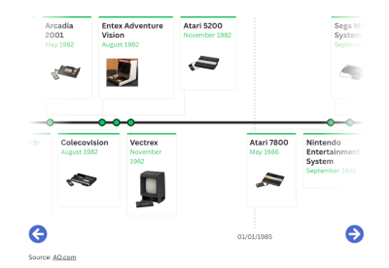
AO games console timeline graphic

The BBC’s local NHS checker is also a great example of how interactive assets become natural link magnets.
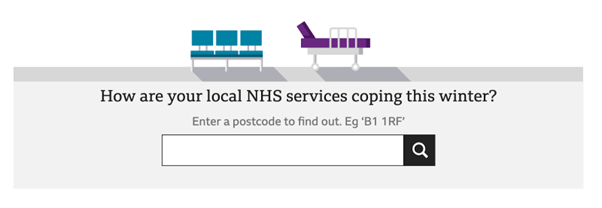
NHS local services tool

The UK Met Office Climate Dashboard has also followed this trend, with interactive charts and drill-downs.
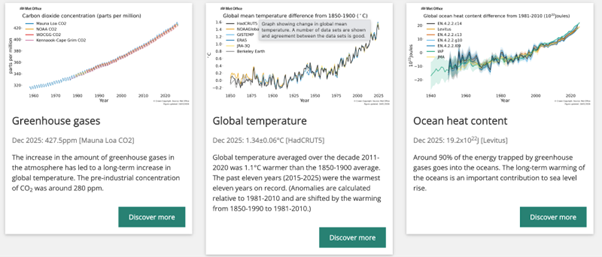
met office climate dashboard

Trend 7: Measuring digital PR beyond link counts

Proving PR value has always been a challenge. For years, the industry leaned on vanity metrics such as link totals, circulation figures and “potential reach,” even though they rarely told the full story.

A hundred low-quality links can no longer outperform a handful of authoritative, relevant placements long-term, especially as search engines such as Google increasingly prioritise genuine authority over raw numbers. 

The KPIs that actually matter in 2026

  • Forward-thinking brands are reporting on metrics that reflect real outcomes:
  • Organic traffic growth to relevant pages
  • Ranking improvements for priority keywords
  • Assisted conversions from referral traffic
  • Brand sentiment and visibility share
  • Topical authority growth


Find out more about tracking the right digital PR metrics.

How to leverage these PR trends in 2026

Brands that adapt early can often gain a clear advantage, that starts with:

  • Auditing current PR performance
  • Building internal data sources
  • Identifying spokespeople and aligning PR
  • Working with SEO and content teams around shared goals
  • Investing in tools and training that improve efficiency, without sacrificing quality.


And crucially, planning ahead. Reactive PR still has its place, but it can’t be the whole strategy. Brands that proactively invest in thought leadership, data-led stories, niche media outreach and strong visuals will see far stronger results.

Looking to create a digital PR campaign that hits headlines?

If you want help developing a standout digital PR strategy, one built on insight, creativity and search opportunity, we’d love to chat.

Our approach uses a combination of data, research, UX, creativity and decades of combined experience to deliver audience-first marketing services that are designed to meet your commercial objectives and make a tangible difference to your business performance online. 

We are B Corp certified, because we are purpose-driven and are committed to social and environmental good.

Our SEO, content and digital PR services are fully integrated, maximising impact and results.

Don’t just take our word for it, take a look at what our brilliant clients have to say about working with us

If you’re a business looking for a digital PR or SEO agency, we’d love to hear from you. Get in touch using the form below.

Picture of Sydney Shaw
Sydney Shaw
As a Digital PR Executive, I’m passionate about crafting campaigns that tell meaningful stories and make a genuine impact. Drawing on my background in journalism and PR, I thrive on collaboration, finding bold, creative ways to earn coverage and make brands shine.
Share this article
Want to chat?

Leave your details and one of our experts will contact you!